

Key Takeaways
- A foldable phone may look like a Y2K throwback, but its value goes beyond aesthetics.
- Compared to an iPhone, it offers a different way of using apps, not just a different look.
- The appeal is part nostalgia, part functionality-both matter in real-world use.
- Foldables are no longer just novelty devices; they’re shaping new usage habits.
- Choosing between the two comes down to lifestyle, not trends.
Introduction
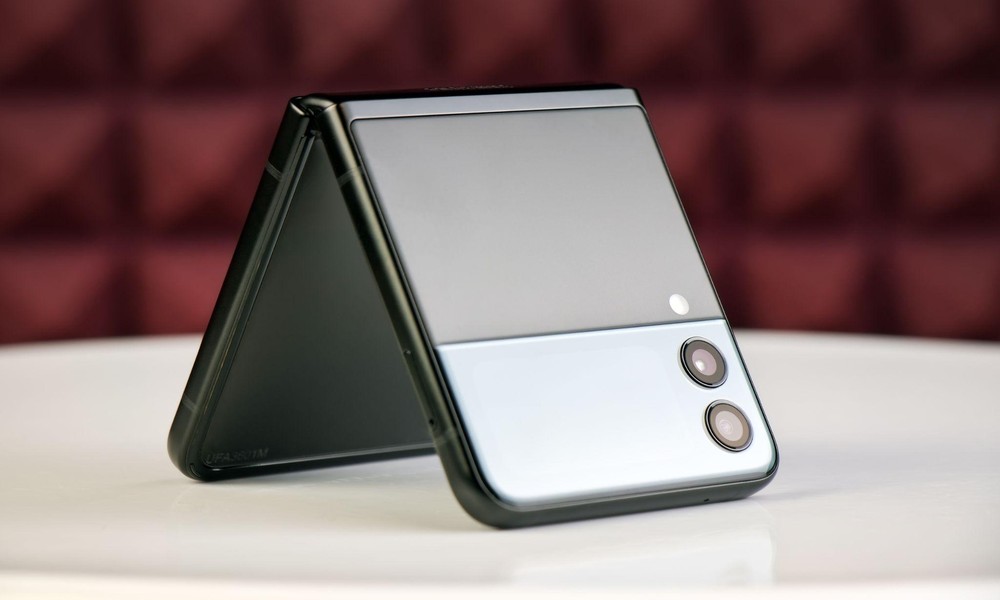
A foldable phone, at first glance, feels like it belongs in a Y2K photoshoot-flip it open, snap it shut, and suddenly you’re in a throwback music video. It is bold, a little dramatic, and very easy to label as a “fashion-first” gadget. But that assumption does not hold up for long. Once you put it side by side with a modern phone, like an iPhone, the conversation shifts quickly. The real question is not whether foldables look good-it is whether they actually change how people use their phones.
The Y2K Appeal
There is no denying the aesthetic pull. A foldable phone taps directly into early-2000s nostalgia. The act of physically closing your device after a call or unfolding it to reveal a larger screen feels intentional in a way that slab phones do not. It is interactive, almost performative, and that makes it perfect for content creation, especially for fashion, lifestyle, and creative industries.
In contrast, an iPhone has built its reputation on consistency rather than flair. It looks clean, works predictably, and rarely tries to surprise you. That is exactly why it remains dominant-it fits seamlessly into daily routines without demanding attention. On the other hand, the foldable invites attention. That difference alone explains why people often associate it with shoots and social media rather than everyday use.
How Usage Actually Changes
Once the novelty wears off, the foldable phone starts to show its practical side. The larger internal screen changes how users interact with apps. Multitasking becomes more natural-email on one side, documents or messaging apps on the other. Watching content feels closer to a tablet experience, but without carrying a second device.
This instance is where it diverges from an iPhone in Singapore. The iPhone prioritises a refined, single-screen experience. Everything is optimised for smooth transitions, but not necessarily for doing multiple things at once. That characteristic is an advantage for users who prefer focus and simplicity. Meanwhile, for those juggling tasks, the foldable format introduces flexibility that traditional phones cannot match.
The key point is that the foldable is not just a different-looking phone-it encourages different behaviour. That alone moves it out of the “just for aesthetics” category.
Practical Trade-Offs Still Exist
That said, the foldable phone is not without compromises. Durability concerns, higher pricing, and battery optimisation are still part of the conversation. These are areas where an iPhone continues to feel more dependable. The iPhone benefits from a mature ecosystem, predictable software updates, and accessories that integrate seamlessly.
That reliability outweighs the experimental appeal of foldables for many users. It is easier to stick with what is proven than to adapt to a new form factor, especially when daily workflows are already optimised around a standard device.
However, these trade-offs are narrowing. Each new generation of foldables improves on build quality and performance, making the gap less about capability and more about preference.
So, Is It Only for Y2K Shoots?
Not anymore. The foldable phone may have entered the spotlight through its visual impact, but it is staying relevant because of how it changes usage patterns. It offers a hybrid experience-part phone, part tablet-that cannot be replicated by a traditional device.
An iPhone still represents stability and familiarity, and for many, that remains the smarter choice. But the foldable is no longer a side character in the smartphone market. It is a legitimate alternative for users who want more screen, more flexibility, and a slightly different way of interacting with their device.
Conclusion
Calling a foldable phone “just for Y2K shoots” misses the point. The aesthetic may draw people in, but the functionality is what keeps them using it. While the iPhone continues to dominate through consistency, foldables are quietly redefining what a smartphone can do. The decision is no longer about style versus substance-it is about which experience fits better into how you live and work.
Visit Harvey Norman Singapore to experience both foldable models and the latest iPhone options side by side.
