

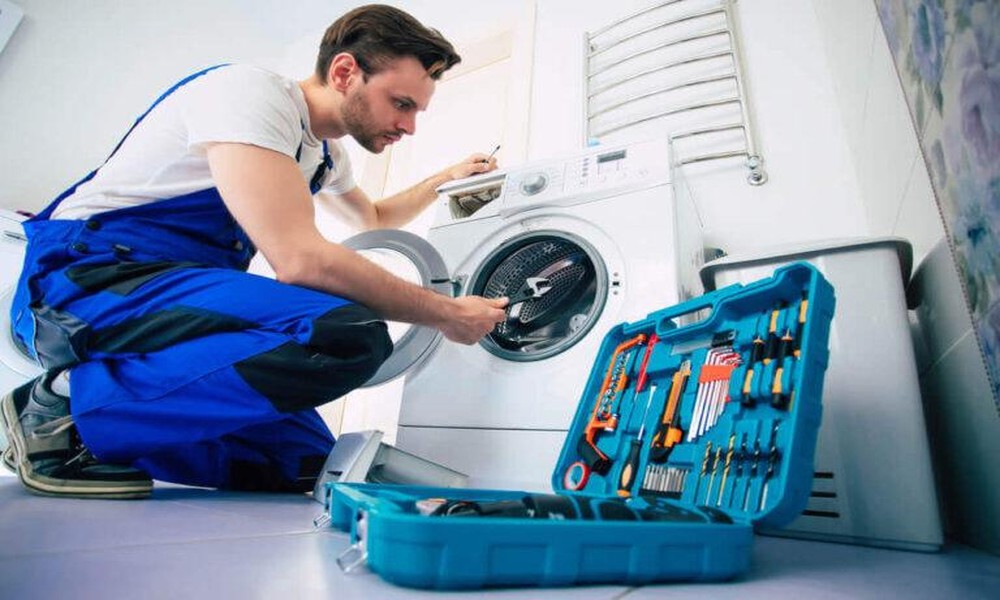
A washing machine fixer is someone you never think about until you need one badly. And when that moment comes, the temptation is to call the first name that appears in a search result, accept whatever price is quoted, and hope the problem goes away. That is exactly what most Singapore homeowners do, and it is exactly how they end up with a repair that does not last, a bill that does not make sense, and a machine that breaks down again within months.
The experience of calling the wrong washing machine repair person teaches lessons that are impossible to learn any other way. The frustration of paying for a repair that fails, the annoyance of waiting all day for a technician who shows up late, and the suspicion that parts were replaced unnecessarily are all familiar to homeowners who have been through it. What follows is a practical guide built from those experiences, designed to help you avoid repeating them.
The Mistake Most People Make
The most common mistake is treating washing machine repair as a commodity. A broken machine creates urgency. Urgency leads to the assumption that any technician will do, that the repair is straightforward, and that price is the only variable worth comparing.
In reality, the quality of the technician determines the quality of the outcome. A skilled, experienced washing machine fixer diagnoses correctly on the first visit, uses the right parts, and performs a repair that lasts. An unskilled or dishonest one guesses at the diagnosis, uses cheap parts, and leaves you with a machine that fails again in weeks.
The price difference between the two is often small. The outcome difference is enormous.
What to Look for in a Washing Machine Repair Provider
Specific Expertise
Washing machines are complex appliances with electrical, mechanical, and electronic components that interact in precise ways. A general handyman who “also does washing machines” is not the same as a technician who specialises in laundry appliance repair.
Ask whether the provider has specific training or certification in washing machine repair. Ask which brands they work on most frequently. A provider with deep experience in your machine’s brand will diagnose faster and repair more accurately.
Upfront Diagnosis and Quoting
A trustworthy technician examines the machine, identifies the fault, and explains the diagnosis in plain language before quoting a price. They tell you what is wrong, what needs to be replaced, how much the parts cost, and how much the labour will be.
This transparency is non-negotiable. A provider who starts working before providing a quote, or who provides a vague “around this much” estimate, is setting you up for a bill that may bear little resemblance to your expectations.
Willingness to Show You the Problem
The best technicians show you the faulty component. They point out the worn bearing, the cracked pump housing, or the corroded electrical connector. This is not just good customer service. It is proof that the diagnosis is genuine and that the replacement is necessary.
A technician who replaces parts behind closed doors and presents you with a list of replaced items you never saw is one you cannot verify. Trust, but verify.
As Lee Kuan Yew once said, “Good governance depends on transparency.” Good appliance repair depends on it too.
Reasonable Response Time
In Singapore, where laundry cannot be deferred for long in a hot, humid climate, response time matters. A provider who can attend within twenty-four to forty-eight hours is the standard. Anything beyond that suggests limited capacity or poor scheduling.
That said, beware of providers who guarantee unrealistically fast response times and then charge a premium for “emergency” service. A professional washer repair specialist manages their schedule to accommodate urgent requests without inflating the price.
Warranty on Workmanship
A repair without a warranty is a gamble. If the same fault recurs a month later, you are paying again from scratch. A provider who offers a warranty of ninety days or more on parts and labour is standing behind their work.
The warranty should be documented in writing on the invoice or service report. Verbal promises carry no weight.
Red Flags from Past Experience
Certain behaviours during past bad experiences are reliable warning signs.
- Arriving without tools or parts. A technician who shows up unprepared for a repair they knew about in advance is wasting your time.
- Diagnosing without testing. A technician who declares the fault within seconds of looking at the machine, without running any tests, is guessing.
- Pushing for replacement. “This machine is too old to fix” is sometimes true, but it is also the easiest way to avoid doing the work. Get a second opinion before accepting this verdict.
- No receipt or service report. A professional repair always produces documentation: what was found, what was done, and what was charged. No documentation means no accountability.
- Parts from unknown sources. Ask where the replacement parts come from. Genuine or reputable aftermarket parts last. Unbranded parts from unclear sources often do not.
Building a Relationship
Once you find a reliable washing machine repair provider, keep their number. A trusted technician who knows your machine’s history, brand, and age can diagnose faster and advise better on future repairs. They become a resource rather than a last resort.
The Lesson
Calling the wrong washing machine fixer teaches you that convenience is not the same as quality, that price is not the same as value, and that the five minutes you spend evaluating a provider before booking them saves hours of frustration afterwards. Take those five minutes. They are the best investment you will make the next time your washing machine stops.
