
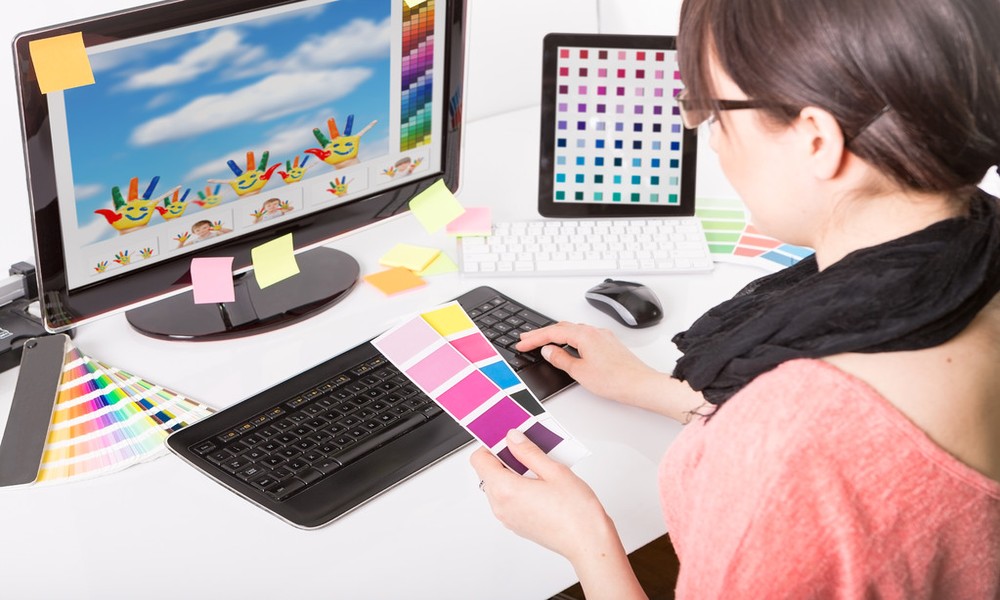
Starting a career in graphic design can be both exciting and overwhelming. With countless tools, techniques, and creative styles available, new designers often feel pressure to master everything at once. While creativity plays a major role in successful design, understanding the fundamentals is what truly builds confidence and consistency. Graphic design is not just about making things look attractive-it’s about communicating ideas clearly and solving problems visually. By focusing on core principles and developing strong habits early on, beginners can steadily improve their skills and produce professional-quality work.
Understand the Principles of Design
It is necessary to study the principles of design before one starts experimenting with complex designs and stylish designs. These are balance, contrast, alignment, repetition, hierarchy and proximity. All these principles make a composition structured and clear.
Balance makes sure that the visual elements are evenly distributed so that a layout does not make one side of the layout too heavy. Contrast is used in order to make significant contents pronounced be it through color, size or typography. Alignment will maintain order and polish the content and repetition will provide uniformity across a design. Ranking guides the viewers on the proper sequence of information, and related items are grouped next to each other. The art of these fundamentals will render all projects more powerful and productive.
Choose the Right Color Palette
The use of color is very effective in the perception of a design. Considerate use of color can bring an emotion, brand itself and enhance a visual appeal. The novice mistakes are the excessive use of colors that may cause chaos and disorderliness. Rather, begin with a small amount of palette of two to four complementary colors in order to ensure harmony.
It is also good to know the basics of color theory. Strong contrast is formed with complementary colors and a gentle and unifying appearance with analogous ones. One should also refer to the psychology of color. E.g. blue can be taken to imply trust and professionalism whereas red can be interpreted to mean energy or urgency. The use of color is a strategic choice that means that your design will aid in the message you were trying to convey. Go to this site to read more.
Focus on Typography
One of the key aspects of graphic design is typography. The typeface you use and text placement can radically influence the readability and the tone. Also, never work with too many typefaces in a single project as this may give one the effect of the design being disorganized. One of the rules of thumb is to have one font that is used as a heading and another font that is used as body text.
Space, line height, letter spacing, is also a factor to pay attention to in order to enhance clarity. Having a proper hierarchy, e.g. bigger headline, smaller subheadings, smaller body text, etc., makes it easier to navigate the content. Readable and clean typography is a way of improving aesthetics and also communication.
Use Whitespace Effectively
The white space or negative space is the blank space between elements of design. Most of the new designers are compelled to use all the spaces in designing the layouts, but this usually results in cluttered designs. Whitespace enhances better readability, emphasizes key features, and makes designs contemporary and professional.
This is done by giving room between text and images and other elements to create breathing room that eases content processing. Good use of whitespace shows confidence and restraint which are some of the strong design qualities. Click here for reference.
Keep It Simple
And simplicity can be the secret of good design. Going into too many elements, effects or decorative details will lose focus in what you are saying. Prior to the design being completed, consider every item within the design and whether it has a definite purpose. When it is not value-adding it is time to do away with it.
Minimalist designs tend to be more memorable as they are concerned with clarity and good visual structure. This is particularly because you are starting with a clean layout which will aid in developing a strong base before you can venture into more complicated layouts.
Learn Your Tools
It is also necessary to get used to design software in order to be efficient and creative. No matter which type of program you are working with, be it a vector based one or an image editing program, you must take a time to learn about its features and practice it. There are ways to learn shortcuts and grasp the layer to make your work process considerably better.
Nevertheless, keep in mind that the effectiveness of tools is as dependent on the designer as on the tools. Powerful design thinking is more essential than sophisticated effects. Layout, composition, and clarity should be prioritized then special features can be used.
Seek Feedback and Keep Practicing
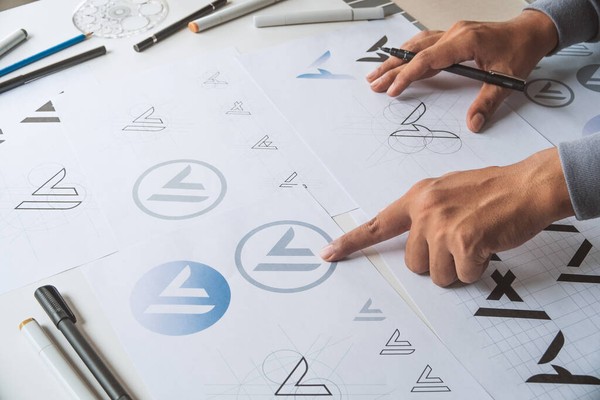
One of the important graphic design tips is regular practice and negation. Your work can be shared with your peers, professionals, or fellow students on the internet to make you see what you can do better. Accept suggestions and learn out of them instead of criticizing them.
The bigger number of projects is done, the more confident you will become in decision-making. With time, you will start building your style but at the same time with good underlying skills.
Conclusion
Graphic design is a journey that requires patience, curiosity, and dedication. By understanding design principles, selecting thoughtful color palettes, mastering typography, using whitespace effectively, and keeping layouts simple, new designers can create work that is both visually appealing and meaningful. With regular practice and a willingness to learn, beginners can steadily build their confidence and grow into skilled professionals in the creative industry.